
A comfortable home doesn’t need expensive furniture, a designer kitchen or a complete renovation. Sometimes, the biggest improvements come from fixing small annoyances you have tolerated for years. A cold draft near the sofa, a bedroom that gets too much sunlight or a living room where nobody can find a comfortable place to sit.
Many household improvements cost very little, especially when you work with furniture and materials you already own. Even better, some changes can reduce energy bills or prevent expensive repairs later.
Here are ten ways to make everyday life at home more pleasant without putting unnecessary pressure on your budget.
1. Stop Cold Drafts Around Windows and Doors
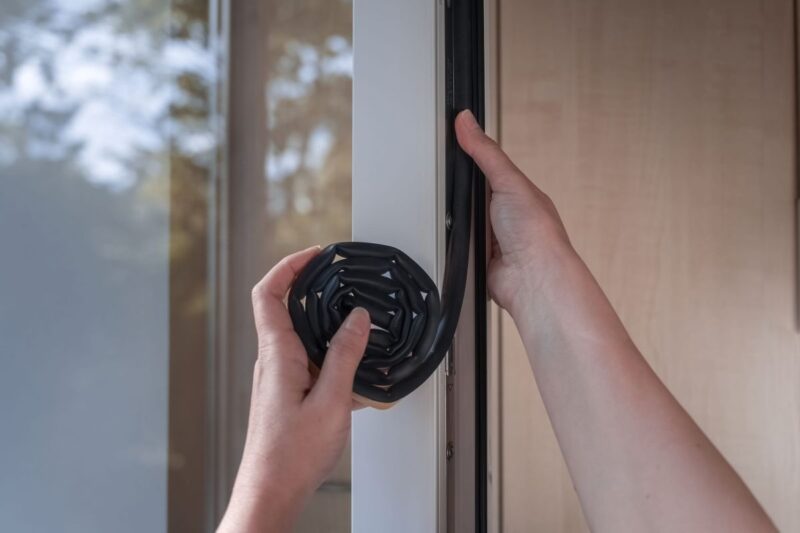
A room can have a perfectly functioning heating system and still feel uncomfortable if cold air enters around windows and doors.
Check for gaps around door frames, damaged window seals and cold air entering underneath exterior doors. You might notice curtains moving slightly when the windows are closed or feel a draft when sitting near an entrance.
Self-adhesive weatherstripping and door draft stoppers are inexpensive ways to address smaller gaps. Caulk can also seal cracks around stationary frames, provided the surfaces are suitable.
The U.S. Department of Energy recommends weatherstripping and caulking as accessible ways to reduce unwanted air leaks and improve indoor comfort.
2. Make Better Use of Curtains and Window Shades
Window coverings affect more than privacy. They also influence how warm, bright and comfortable a room feels throughout the day.
During hot weather, closing blinds or curtains on windows receiving direct sunlight can help limit unwanted heat. In colder weather, suitable insulating curtains can reduce heat loss near windows, although they cannot replace proper insulation.
You don’t need custom window treatments in every room. Affordable curtains can work well when they fit the window properly and allow you to control sunlight.
Consider the direction each window faces. A west-facing bedroom may become uncomfortably warm during summer afternoons, making an effective blackout shade more useful than decorative curtains.
Leave curtains open when you want natural daylight and solar warmth. Small adjustments to how you use existing window coverings may be enough to improve comfort.
3. Rearrange Furniture Instead of Buying New Pieces
Before spending money on another armchair or coffee table, try moving the furniture you already have.
A sofa positioned directly beside a drafty window might feel uncomfortable during winter. A large cabinet blocking daylight can make the entire living room feel darker.
Start by considering how you actually use the room. If everyone gathers to watch television, arrange seating so nobody needs to twist their neck. If you enjoy having friends over, position chairs so people can talk without shouting across the room.
Leave clear walking routes between doors and frequently used furniture. Removing one unnecessary side table can sometimes make a small room significantly easier to use.
4. Improve Your Lighting Without Replacing Every Fixture

One bright ceiling light might illuminate an entire room, but it rarely creates the most comfortable atmosphere for relaxing, reading or watching television.
Different activities benefit from different lighting. A desk needs enough light for reading or working, whereas a living room may feel more pleasant with softer lamps positioned near seating.
Try combining existing ceiling lights with inexpensive table or floor lamps. You can also replace suitable bulbs to change their brightness or color temperature.
Warm white lighting generally works well in bedrooms and living rooms. Cooler or brighter lighting may be more useful for cooking and detailed tasks.
One useful trick is to place a lamp near the activity rather than trying to illuminate the entire room. A reading lamp beside your favorite chair may solve a lighting problem without any electrical installation.
5. Create a Garden Space Where You Can Actually Relax
A small garden, patio or balcony can become one of the most enjoyable parts of a home. However, it is difficult to relax outside when neighboring windows overlook your seating area or an old boundary fence provides little privacy.
Start with what you already have. Move outdoor chairs to a more sheltered location, trim overgrown plants and clean the patio. Large planters or suitable climbing plants may provide additional screening without major construction.
For gardens with damaged or inadequate boundaries, replacing part of the existing fencing can provide more privacy and make outdoor seating areas feel better defined. Composite panels are one option for homeowners who want the appearance of timber without regular painting or staining, although the initial installation cost should be considered.
If your existing fence is structurally sound, repairing individual boards or adding a smaller privacy screen may be much cheaper than replacing the entire boundary.
Finish with comfortable seating and simple outdoor lighting. A small table, two chairs and a few plants can create a pleasant place for morning coffee or an evening conversation.
6. Make Your Bedroom More Comfortable for Sleeping
A better bedroom doesn’t always begin with a new mattress or expensive bedding. Temperature, light, noise and the arrangement of furniture can all affect how comfortable the room feels.
If sunlight wakes you earlier than you would like, consider blackout curtains or a properly fitted window shade. Move electronic devices with bright indicator lights away from the bed or cover the lights where safe.
Check the pillows, too. A pillow that has lost its shape may be worth replacing before spending money on an entirely new bed.
Fresh bedding, a clean mattress protector and an uncluttered bedside table can also improve the room without an expensive makeover.
Keep enough space around the bed to move comfortably. A bedroom packed with unnecessary furniture can make ordinary tasks, such as changing sheets or opening wardrobes, frustrating.
7. Reduce Everyday Noise With Soft Furnishings
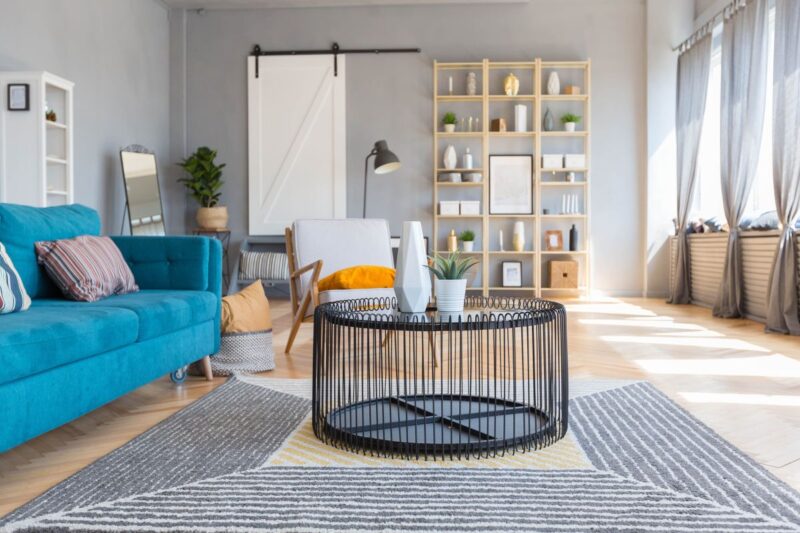
Hard flooring, bare walls and large windows can make sounds seem louder inside a room. Footsteps, conversations and television audio may echo, especially in spaces with little furniture.
Adding soft materials can reduce some of that reflected sound.
A rug beneath the coffee table, curtains near large windows and upholstered furniture can make a room sound less hollow. Fabric cushions and throws also help soften the appearance of a space.
However, ordinary rugs and curtains won’t reliably block loud traffic or conversations coming through poorly insulated walls. Soundproofing requires different materials and construction methods.
For a home office, moving a desk away from noisy household areas may offer an immediate improvement. Closing the door and using a thick rug can also make the room more comfortable for calls and concentrated work.
8. Clear the Surfaces You Use Every Day
Clutter can make even a large home feel inconvenient. A crowded kitchen counter leaves little room for preparing food, and a dining table covered in paperwork stops being useful for meals.
Fortunately, organizing your home doesn’t mean purchasing matching storage boxes for every cupboard.
Start with one small area. Empty a drawer, remove items you no longer use and give frequently needed objects a convenient place.
Try five-minute daily decluttering habits rather than attempting to organize the entire house in one weekend. Clearing a worktop or bedside table each evening can prevent clutter from building up again.
Use existing baskets, containers and shelves before buying additional storage. The aim is to make everyday objects easier to find, not to fill your home with more things.
9. Improve Indoor Air Without Expensive Equipment
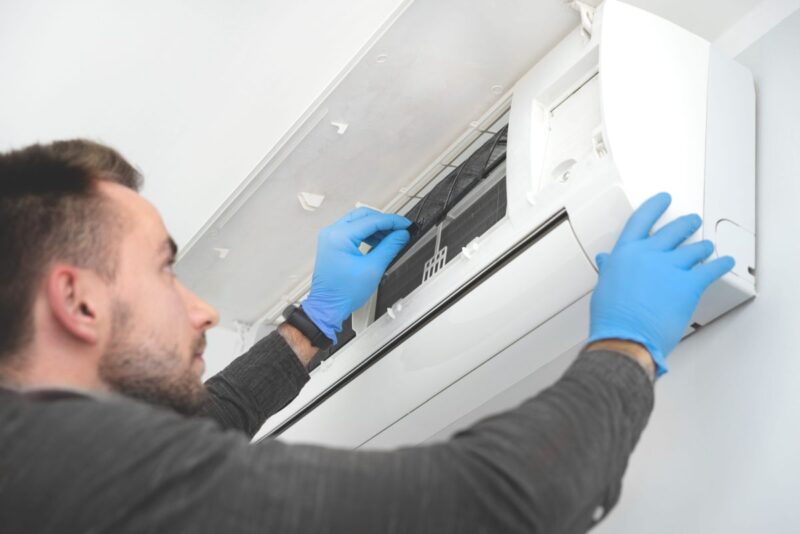
A room that feels stuffy or smells damp can be uncomfortable even when the furniture and temperature are perfectly fine.
Start by identifying the cause. Poor ventilation, moisture around windows, cooking fumes and accumulated dust can all affect indoor conditions.
Open windows when outdoor air quality and weather permit, and use existing extractor fans when cooking or showering. Clean ventilation grilles and replace HVAC filters according to the equipment instructions.
Persistent condensation deserves attention. Dry wet surfaces, repair leaks and investigate areas where moisture keeps returning. Painting over mold or damp patches won’t solve the underlying problem.
A portable fan can improve air movement in a warm room, although it doesn’t lower the air temperature itself. Position it where the airflow will be useful without blowing dust directly toward seating or sleeping areas.
10. Create One Small Space That Is Just for Relaxing
Not every comfortable corner needs to serve several purposes. Sometimes, having one place where you can sit without looking at unfinished work or household clutter makes home life more enjoyable.
Choose a spot near a window, beside a bookshelf or in a quiet bedroom corner. Add a comfortable chair, suitable lighting and somewhere to put a drink or book.
You might use the space for reading, listening to music, writing in a journal or practicing gratitude meditation each morning.
There is no need to purchase special furniture if you already have a suitable chair. A small table borrowed from another room and a lamp you rarely use may be everything you need.
Keep the area free of laundry, paperwork and other household tasks. A comfortable place becomes much more useful when it remains available whenever you want a short break.
Start With the Problems That Bother You Most
Before buying anything, walk through your home and write down the three things that make everyday life less comfortable. Perhaps the bedroom gets too hot, the living room feels crowded or the garden lacks privacy.
Next, separate possible solutions into changes that cost nothing, inexpensive purchases and larger improvements that require saving.
Try rearranging furniture, changing lighting and clearing clutter first. Address drafty windows, damaged fixtures and other small repairs before considering major replacements.
Spend money where it will solve a problem you experience regularly. A comfortable home is one where you can move around easily, rest properly, enjoy your favorite activities and spend time with people you care about.